Key Considerations for Successful Open-Air Smart Signage Implementation
Wiki Article
Outdoor networked displays has consistently emerged as a information solution used by businesses, local governments, along with enterprises seeking high public visibility alongside real-time information delivery. Unlike internal displays, external networked signage solutions need to perform without interruption under variable weather-related factors while still maintaining clear on-screen clarity. Each effective installation relies on preparation, system-level alignment, as well as an assessment related to location-based environmental conditions. Elements such as site evaluation, outdoor impact, and system preparedness directly determine system performance. Managing these key issues in advance can help minimize repair concerns while also ensures long-term operational consistency.
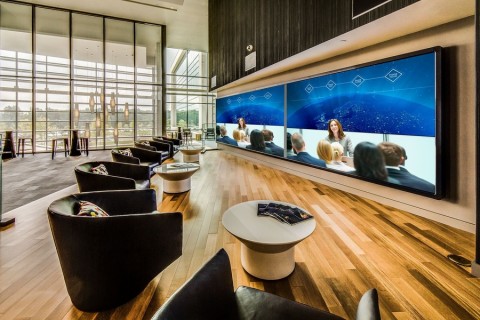
A key considerations involved in outdoor electronic signage setup centers on site selection analysis and viewability. Strategic placement of digital display is expected to match with expected pedestrian movement, vehicle sightlines, plus expected viewing distance range. Monitor format, pixel density, and luminance settings are required to correspond to the immediate setting to help deliver on-screen content appears readable under full sun exposure as well as dim settings. Light glare reduction, viewing angles, plus surrounding structures additionally shape viewer attention. Proper placement evaluation drives strong communication distribution while also supporting adherence with applicable city land-use along with outdoor signage standards.
Climatic durability represents an additional essential consideration within external smart visual system setups. Signage units are required to be properly contained using durable housings manufactured so as to endure water exposure, particulates, dampness, plus thermal fluctuations. Proper ingress sealing specifications, ventilation components, and thermal management solutions work to reduce heat buildup and internal wear. Physical strength continues to be similarly critical, given that fastening systems must support weather forces and vibration throughout durations. These combined preventive measures extend system lifespan and lower overall system failures.
Energy along conference room AV installation with data architecture perform a central role within reliable digital display performance. Open-air deployments go right here require secure electrical distribution, earthing systems, along with power surge mitigation to help protect against electrical instability. Network availability, whether through fiber-based or radio-based connections, must enable consistent content delivery for ongoing media updates plus system monitoring. Network wiring organization as well as protective installation must adhere to established codes so as to protect against physical degradation along with climatic exposure. Strong infrastructure planning supports consistent media output and efficient display operation.
Media planning plus upkeep programs round out a outdoor smart visual signage deployment. Messages must remain clearly structured to allow fast understanding, by applying correct text proportions, color contrast, and movement management optimized to audience. Scheduled inspection plans, such as platform revisions, component inspections, as well as surface cleaning, serve to maintain screen readability while system stability. System monitoring tools platforms are able to identify problems at early stages as well as support proactive service actions. When these system execution as well as visual content management work together, open-air electronic display functions as a durable and reliable visual communication tool.